
Advanced manufacturing and engineering are entering a new growth phase across the UK. After several years shaped by supply disruption, cost pressure, and uncertainty in global trade, investment is returning to high-value production, automation, aerospace, defence, and precision engineering. Output is stabilising, capital spending is rising, and organisations are focusing more deliberately on capability rather than scale.
There is improved confidence across advanced manufacturing, with firms prioritising productivity, resilience, and technology-enabled production. The PwC’s Executive Survey 2026 shows that nearly two-thirds of manufacturers (65%) believe opportunities to succeed in 2026 outweigh the risks. Growth is no longer driven by volume alone. The focus is efficiency, supply chain control, and high-value output, and that shift is changing what boards expect from senior leadership.
Efficiency Has Moved from Operations to the Boardroom
Manufacturers are operating in an environment where cost discipline and productivity are under constant scrutiny. Energy prices, workforce constraints, and regulatory pressure mean efficiency cannot sit only with plant managers. Boards now treat operational performance as a strategic priority.
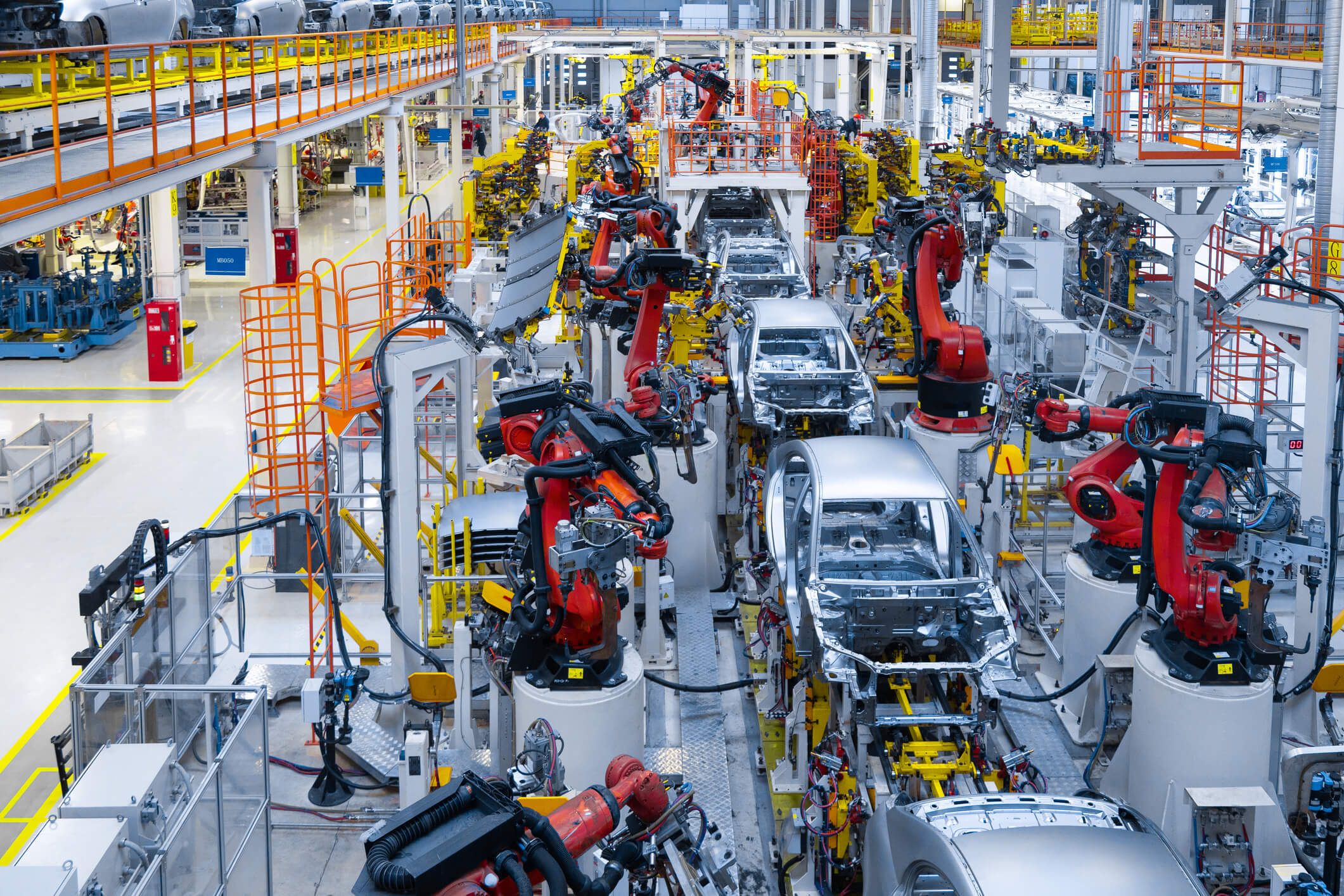
Automation and digital manufacturing are central to this change. Robotics, AI-assisted inspection, predictive maintenance, and real-time production data are becoming standard in high-performing facilities. In its Advanced Manufacturing Sector plan, the UK government is set to use up to £99m from 2026 to support SME manufacturing businesses to take up new technologies, including AI, 3D printing, ‘smart factories,’ and Robotics.
This is influencing executive hiring. Boards are looking for leaders who understand modern manufacturing environments from both a technical and commercial perspective. Experience in lean operations, automation programmes, and large-scale performance improvement is increasingly expected in senior appointments.
Reshoring Is Reshaping Investment Decisions
One of the clearest themes across advanced manufacturing is the move towards greater control of supply chains. Global disruption exposed the risk of relying on distant suppliers for critical components, particularly in defence, energy, electronics, and transport.
Many organisations are bringing production closer to home or developing regional supply networks. The government’s manufacturing strategy highlights domestic capability as a priority in aerospace & defence, semiconductors, and advanced materials. These changes are driving new factory builds, supplier partnerships, and long-term capital investment.
Reshoring requires a different type of leadership. Organisations need executives who can manage complex programmes, work with government and regulators, and oversee the creation of new production capability. Experience in international manufacturing, regulated industries, or infrastructure projects is becoming more valuable at the board level.
Aerospace, Defence, and Precision Engineering Are Leading the Recovery
Aerospace and defence manufacturing remain among the strongest areas of activity. Increased defence spending, renewed aircraft production, and expansion in satellite and space technologies are driving demand for high-precision engineering.
The UK aerospace, defence, security, and space sectors contribute tens of billions to the economy each year and continue to support high-skill employment across the country. The ADS Group reported a 71% surge in commercial aircraft orders in January 2026, pushing the worldwide backlog to 16,456 aircraft. This is at least 13 years of work for the UK supply chain with potential value up to £267 billion.
Defence spending is also accelerating domestic capacity. The government has committed £650 million to Typhoon upgrades, a £1 billion helicopter deal with Leonardo, and is fast-tracking defence expenditure toward 3% of GDP or higher.
Leadership in these industries requires technical depth combined with strong programme management and stakeholder oversight. Projects often involve government contracts, international partners, and long development cycles. Boards want executives who can operate comfortably in complex, highly scrutinised environments where risk management is as important as engineering expertise.
Technology-Enabled Production Is Changing the Leadership Profile
Smart factories, connected systems, and real-time data are redefining how manufacturing performance is measured. Production is no longer judged only by output, but by efficiency, flexibility, and the ability to respond quickly to change.
Organisations investing in digital manufacturing report improvements in productivity, quality, and cost control. These advantages are particularly important in high-cost economies where competitiveness depends on precision rather than volume.
As a result, leadership profiles are changing. Traditional career paths built solely on engineering experience are being replaced by broader roles combining operations, technology, and commercial strategy. Boards increasingly seek executives who have led automation programmes, delivered digital transformation, or integrated engineering with IT and data functions.
Growth in Specialised Manufacturing
Alongside established engineering sectors, several specialist manufacturing areas are expanding rapidly and attracting investment.
Motor vehicle battery manufacturing is growing as the automotive industry moves towards electrification. Gigafactory development across the UK and Europe aims to secure domestic production capability and reduce reliance on overseas suppliers.
Electronic board and semiconductor manufacturing have returned to focus after global shortages exposed supply risks. Governments are encouraging domestic production to support defence, communications, and advanced technology industries.
Precious metals and advanced materials production are becoming more important as aerospace, energy, and electronics rely on specialised alloys, coatings, and rare materials. These operations are technically demanding and heavily regulated, which increases the need for experienced leadership.
These sectors are smaller in scale but strategically important, and the available talent pool is limited. As a result, executive search activity in specialist manufacturing is increasing, particularly for executive roles linked to new facilities, expansion programmes, or operational transformation.
The Leadership Challenge in Advanced Manufacturing
Across advanced manufacturing and engineering, the common theme is complexity. Production environments are more technical, supply chains are more strategic, and investment decisions carry greater risk.
Boards are looking for leaders who combine engineering credibility with commercial awareness and the ability to deliver change at scale. Successful executives in this sector often share several characteristics:
- Strong technical or engineering background
- Experience leading multi-site or international operations
- Proven record of improving productivity and efficiency
- Understanding of automation and digital manufacturing
- Experience working in regulated or government-linked industries
- Confidence in managing large capital investment programmes
Finding this combination of skills is difficult, which is one reason demand for senior manufacturing leaders remains high despite wider economic uncertainty.
Novo’s Perspective
Advanced manufacturing is becoming more specialised, more capital-intensive, and more strategically important to national economies. As organisations invest in automation, reshoring, and high-value production, the quality of leadership is becoming a deciding factor in whether those investments succeed.
In recent search assignments across aerospace, defence, precision engineering, and specialist manufacturing, the strongest candidates have combined deep technical credibility with the ability to operate confidently at board level. Clients are not looking for general operational experience. They are looking for leaders who understand complex production environments, supply chain risk, and the commercial realities of modern manufacturing.
There is also increased demand in niche areas such as battery production, electronic manufacturing, and advanced materials, where the talent pool is limited, and competition for experienced leaders is high. Search processes are becoming more international, and succession planning is moving higher on the board agenda as organisations recognise how difficult these roles are to replace.
For boards building capability in advanced manufacturing, leadership decisions now carry long-term consequences. Technology can improve performance, but only when guided by executives who understand both the engineering detail and the strategic context in which the business operates. In a sector built on precision, leadership precision matters just as much.